Improving agent adoption through content strategy and product-led growth
Role: Content designer
Overview
AI agents are transforming enterprise security, but adoption depends on helping users understand their value and deploy with confidence. I developed a content strategy for Microsoft Purview agents that improved onboarding through telemetry, experimentation, and user research.
Skills: Content design, content strategy, product-led growth, telemetry analysis, user research, UX writing
Audience: Enterprise security administrators and analysts responsible for deploying Microsoft Purview agents
Tools: Figma, Microsoft 365 suite
Platforms: Web
Collaborators: 1 lead designer, 1 senior designer, 3 product managers, 1 researcher, 1 product marketing manager
Challenge
Microsoft Purview's existing agent onboarding experience was designed primarily for highly privileged administrators. As agent deployment expanded to analysts and broader admin personas, the experience no longer met the needs of all users.
My role
I led the content strategy and content design, driving product-led growth initiatives across Purview by identifying adoption opportunities, creating in-product entry points, and using experimentation to uncover the messaging that most effectively drove engagement and adoption.
Finding the opportunity
Using cross-product insights to identify adoption gaps
While leading product-led growth initiatives across Microsoft Security, I identified successful adoption patterns by analyzing telemetry and deployment experiences across products.
I applied those insights to develop a content strategy that removed adoption barriers and created a clearer path to successful agent deployment.
Content strategy
-
The biggest challenge was balancing two competing needs:
Newer users needed enough context to feel confident
Experienced admins needed a fast path to deployment
My strategy was to introduce progressive disclosure:
Start with the essentials:
Clear value proposition
Key benefits
Deployment expectations
Required actions
Allow users to go deeper:
Advanced configuration details
Additional technical information
FAQs and supporting guidance
This ensured users could quickly understand the value of the agent before deciding whether to deploy.
-
As part of the PLG strategy, I partnered with product and marketing teams to create A/B tests that evaluated different messaging approaches across Purview entry points.
Testing revealed that users responded best to specific, actionable value messaging rather than broad or abstract benefit statements.
For example, users preferred messaging that clearly explained what an agent would help them accomplish, rather than higher-level marketing language about the overall value of the product.
These insights informed future messaging strategies across Purview and reinforced the importance of leading with concrete user outcomes.
-
I introduced a default settings strategy to reduce decision fatigue and guide users toward recommended security practices.
Rather than requiring users to make complex configuration choices upfront:
Recommended secure options were selected by default
Advanced users could customize settings when needed
This approach helped users move forward confidently while still preserving flexibility for experts.
-
During research, I noticed users had recurring questions before deployment.
Instead of directing users to external documentation, I proposed creating an in-product FAQ experience.
This helped:
Keep users in the deployment flow
Reduce friction
Provide answers at the moment of need
Build trust before users took action
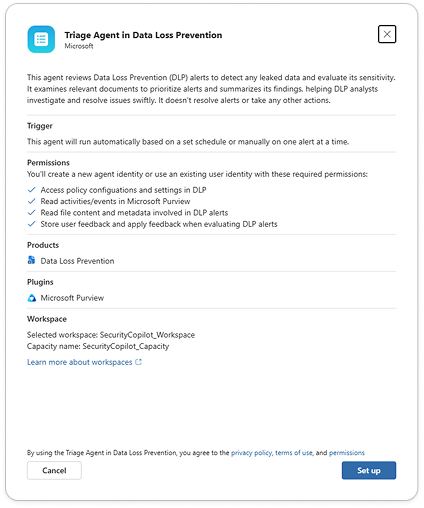
Before
Too much content overwhelmed users and led to low engagement. Users were also required to go through the full agent setup.
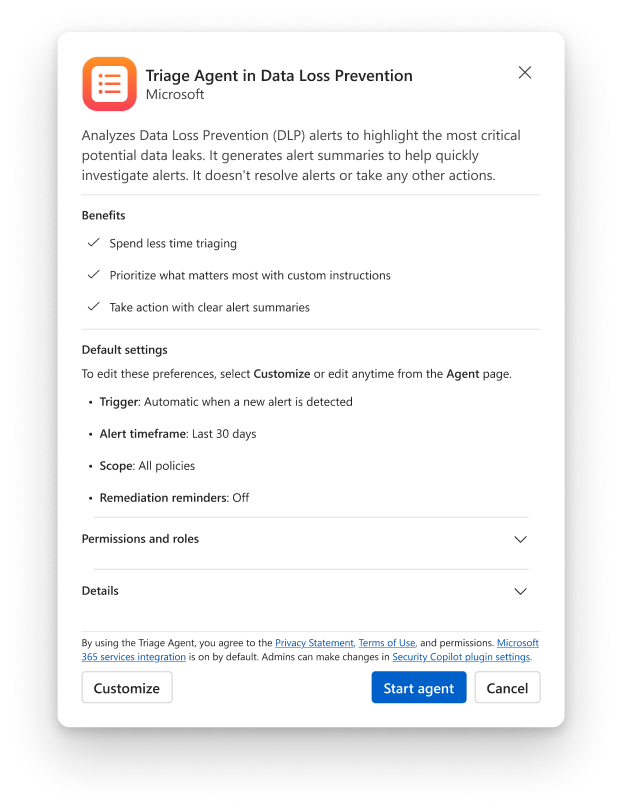
After
Content was streamlined with options to drill down for more info. Secure default setup option provided, and lower-priority content has been removed or placed within an accordion.
Research validation
Research showed that the content built trust while helping users understand the value of the agent. Participants consistently said the experience:
Provided the right amount of information
Felt helpful rather than overly promotional
Gave them the clarity and confidence to deploy the agent
Our researcher noted:
“You did crush it with the content. It’s really answering the questions users have.”
The study also uncovered opportunities to improve the policy selection experience. In response, I added clearer descriptions and contextual tooltips to answer common questions and reduce uncertainty during setup.
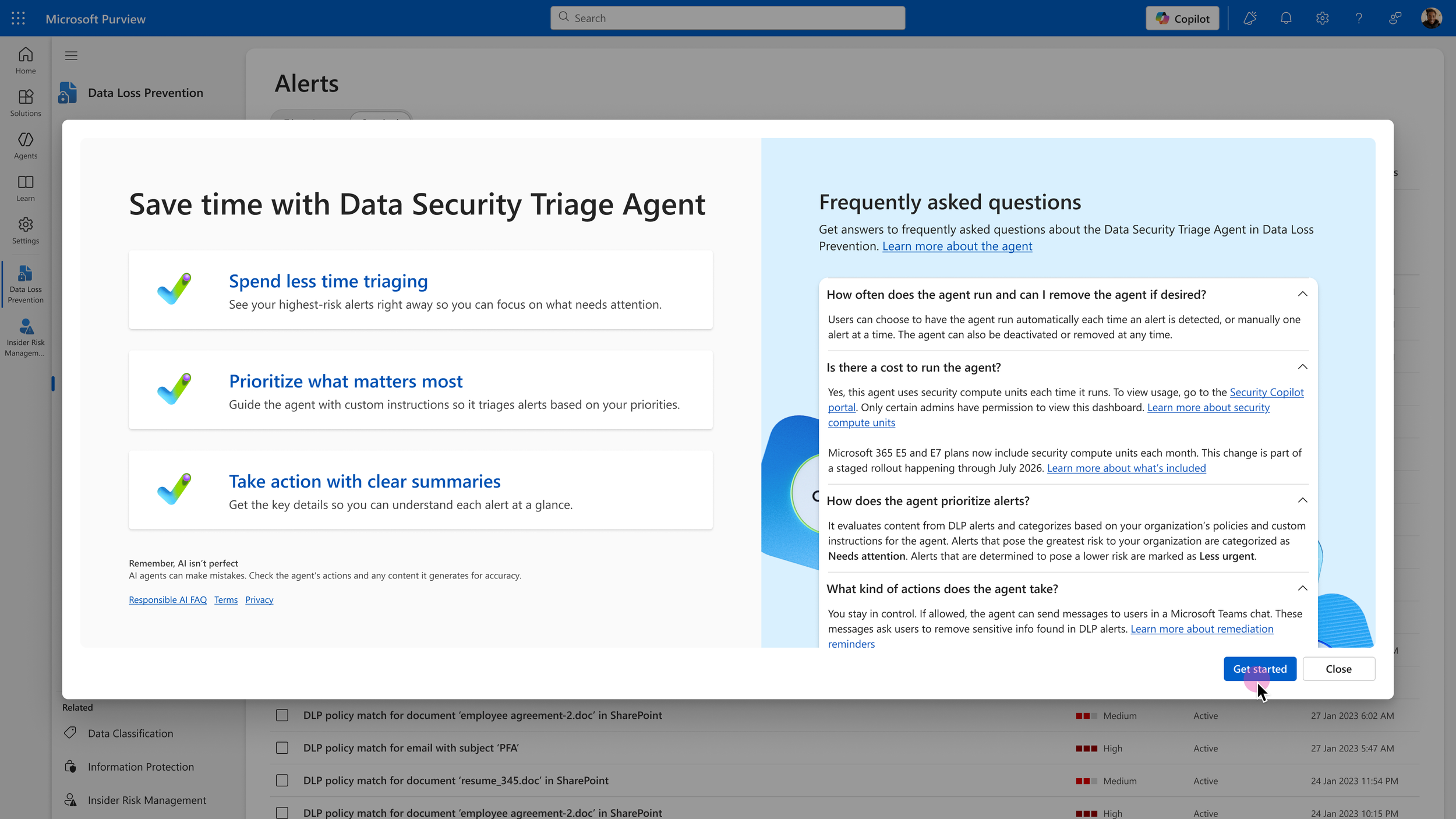
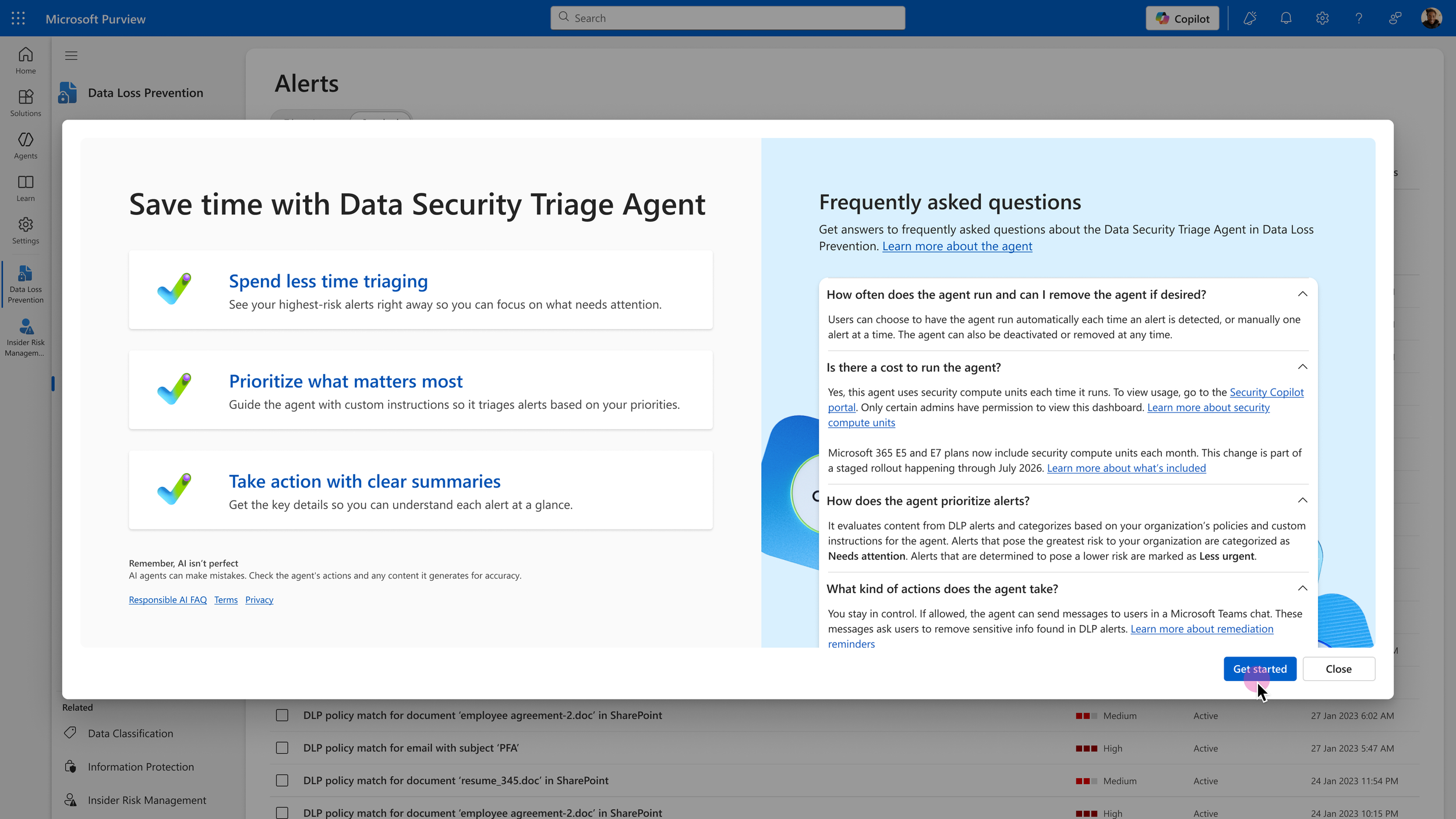
A user favorite from the research study was this in-product FAQ page I recommended. Users frequently cited this page as a major trust-builder that answered their top questions.
Outcome and scale
The redesigned onboarding experience achieved:
93% deployment success rate
+10% improvement over previous experience
Established reusable onboarding patterns across Microsoft Security products
The project demonstrated how strategic content design, informed by telemetry and experimentation, can directly influence product adoption, user confidence, and scalable experiences across Microsoft Security.